A Small Wholesaler’s First Website: Pages and Weekly Checks
A first website should make it easy for buyers to understand your business and contact you, rather than simply listing many products. Plan the home, about, and contact pages, prepare the essentials, and follow a weekly review routine.
Decide what you want visitors to do
A small wholesaler’s website may serve a different purpose from a consumer-facing shop. If the priority is helping visitors understand your products and who you trade with, then request a quote or ask about terms, you may not need to add online payments at the outset. If you intend to accept orders and payments on the web, you will also need product information and payment and shipping setup.
Before building, identify your main visitors: retail buyers, existing accounts, or potential new stockists. Choose one primary action, such as “review our company and product range, then send an inquiry.” Decide what buyers should know before contacting you, including whether prices are public, any minimum order, and the areas you serve.
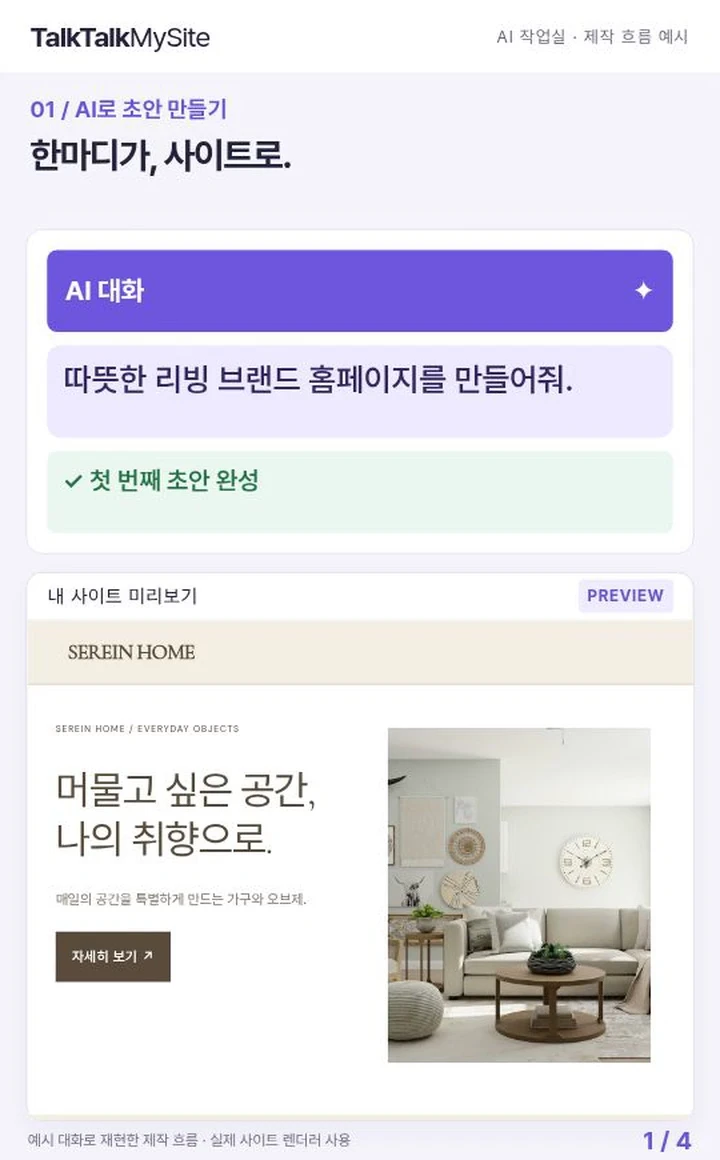
Give each page a clear job
**Home:** Show the business name, main product categories, intended buyers, and delivery or service area near the top. Briefly introduce your main products or strengths, then provide clear routes to the About and Contact pages. Do not include unverified supply history or quality claims; use only information you can substantiate.
**About:** Explain what you supply and what kinds of trade inquiries you accept. Bring together details buyers need to assess the business, such as its business name, operating area, trading method, and business hours. Add background information only where it is useful and appropriate to share. Current product scope and suitable inquiry types usually matter more than a long company history.
**Contact:** Display the ways to reach you and when you respond. Tell visitors what information to include. You might ask for the product, approximate quantity, delivery area, and contact details, but request only what you need. Before publishing, check on a phone that the contact information and path to submit an inquiry are easy to find.
Prepare materials and choose the right setup
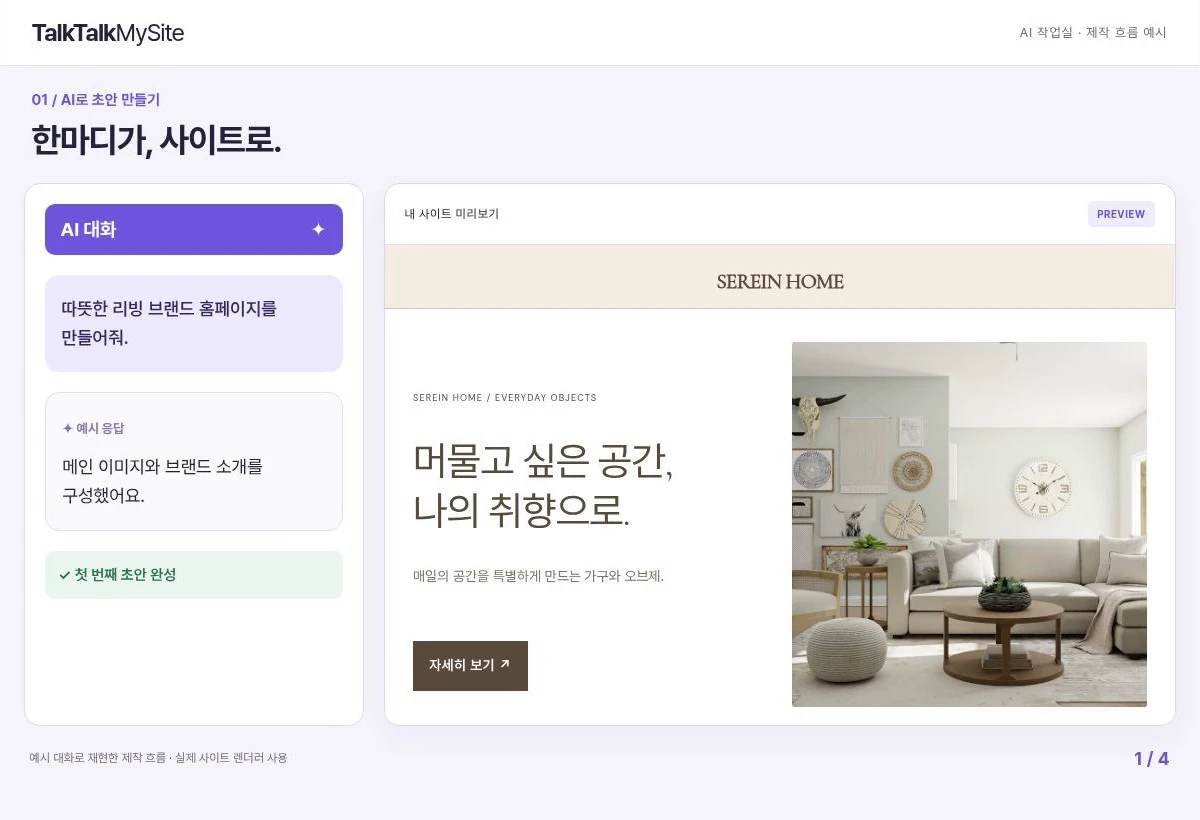
Collect the business name as it should appear, contact details, business hours, a product list, photos you are allowed to use, service areas, and trade terms in one document. A template cannot supply missing business facts. Payments, social login, domains, and shipping each require setup when needed; do not assume they will all be ready automatically.
TalkTalkMySite offers no-code templates, AI chat, and visual editing. You can get started without coding or design experience, but the owner must check that AI-generated drafts match the actual business. Basic is for a website, Standard for a store, and Premium for multilingual use. Choose according to your needs: first establish whether you really need a store or whether customers genuinely need multiple languages.
**Hypothetical example — “Hanbit Packaging Supplies”** is a packaging wholesaler serving small retailers. Its first version puts product categories and delivery areas on the home page, trading audience and inquiry hours on the About page, and a quote-request route on the Contact page. Only after deciding to accept online paid orders does the owner consider a store and payment and shipping setup. This example is fictional and is provided for illustration.
A weekly review sequence for the owner
Review the site on the same day each week. A repeatable sequence helps you catch small issues early.
- **Contact details:** Confirm that the phone number, email, business hours, and named contact are still correct.
- **Products and terms:** Check that discontinued or changed items, service areas, and minimum-order information match what the site says.
- **Page flow:** Follow the links from Home to About and Contact. Check that text and buttons are readable on a phone.
- **Inquiry responses:** Look for new inquiries and update the response guidance if replies may be delayed.
- **Settings and materials:** Check the display and setup of any features you use, such as payments, social login, your domain, or shipping.
These checks do not guarantee search rankings or sales, and they will not eliminate every mistake. Do not assume unlimited free use; review the service terms and complete any setup your business needs. A practical next step is to assemble the materials above, draft the three pages, and ask one real buyer to follow the path to an inquiry. Use what they cannot find to improve the site before relying on it.