Jewelry Store Shipping, Exchanges, and Returns: Decide the Rules First
Set dispatch expectations, eligibility conditions, and exceptions around the type of jewelry you sell. This beginner’s guide covers the materials to gather, a labeled hypothetical example, and checks to run before opening.
Jewelry may be small and seem easy to pack, but shipping and return policies depend on materials, dimensions, whether an item is made to order, and the risk of damage. Before beginning website creation, decide what you can realistically support. Then present the same conditions on product pages and policy pages so customers can check them before buying.
Start by separating product types
First, divide products into ready-to-ship stock and made-to-order items. For stock, state how long you need to prepare an order for dispatch. For made-to-order pieces, distinguish production time from the time needed to prepare a shipment. If you cannot promise a specific dispatch date, give a reasonable estimated range and decide how you will notify customers about delays. Also settle how you handle weekdays and holidays, who pays shipping costs, and what information or photos you need to review a report of damage in transit.
Exchanges and returns need criteria for different product conditions. Write down how you will assess signs of wear, missing components, damaged packaging, an incorrect item, and initial damage. Custom or engraved pieces may be handled differently from regular stock, but simply saying that exceptions apply is not enough. Identify which products are affected and where customers can review the terms before paying. Avoid promising unconditional exchanges or returns if that does not match how you actually operate.
Gather the information customers need
- For each product: materials, dimensions, included components, care instructions, and whether it is made to order.
- Packaging method, time needed to prepare dispatch, and shipping-cost rules.
- Order details and supporting materials, such as photos, needed to request an exchange or return.
- Contact channel, hours when you can respond, and the steps for handling exceptions.
Distribute this information across product descriptions, shipping details, and exchange and return policies. Check that the conditions do not contradict one another. Legal requirements and applicable exceptions may depend on your sales model and location, so do not make assumptions; check the rules relevant to your business.
Hypothetical example: stock earrings and a made-to-order necklace
Imagine a business called “Silver Grain” that sells ready-to-ship earrings and necklaces made to a customer’s chosen length. The owner decides to state the time needed to check stock and prepare the earrings for dispatch, and to show the necklace’s production time separately from its later shipping preparation. They create a distinct reporting process for incorrect items and transit damage, and explain that worn earrings require a condition check. For made-to-order necklaces, they describe cancellation and exchange handling before and after production in terms that match the actual workflow. This is only an example, not a rule that applies to every jewelry store.
Check before publishing
- [ ] Do timeframes, costs, and exceptions match across product pages and policy pages?
- [ ] Are made-to-order items and the customer’s next steps for making a request clear?
- [ ] Can customers find shipping and return conditions easily on a phone?
- [ ] Have you placed a test order and checked payment guidance, order notifications, and shipping-information entry?
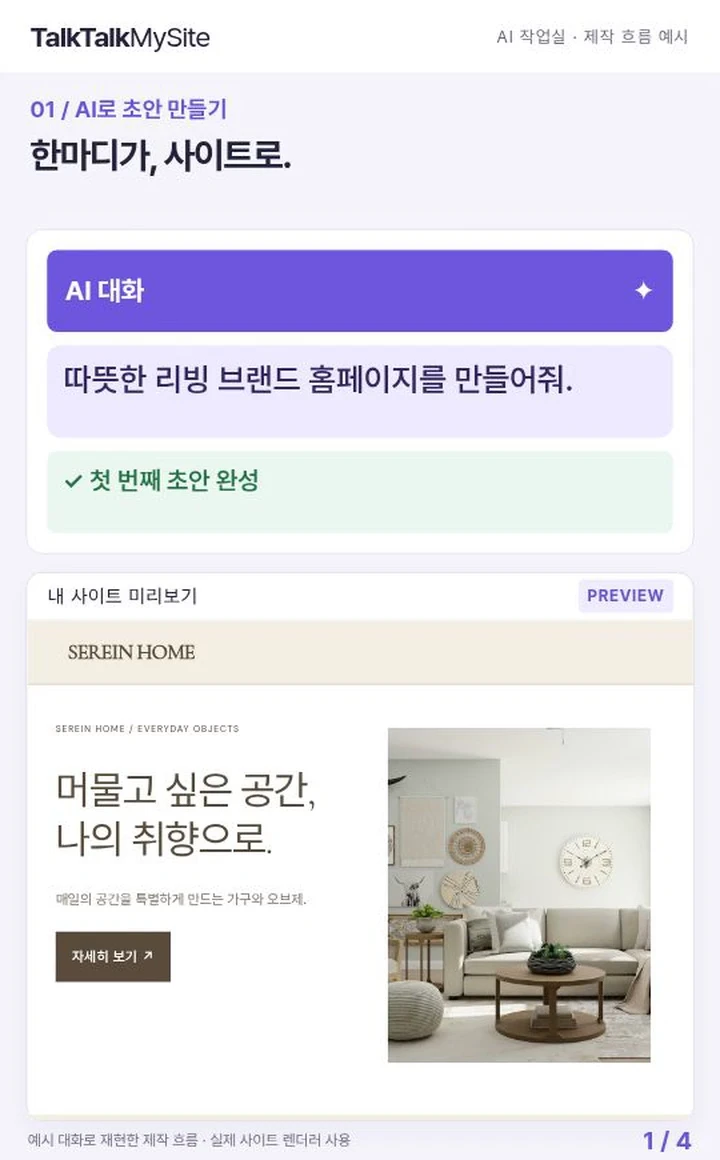
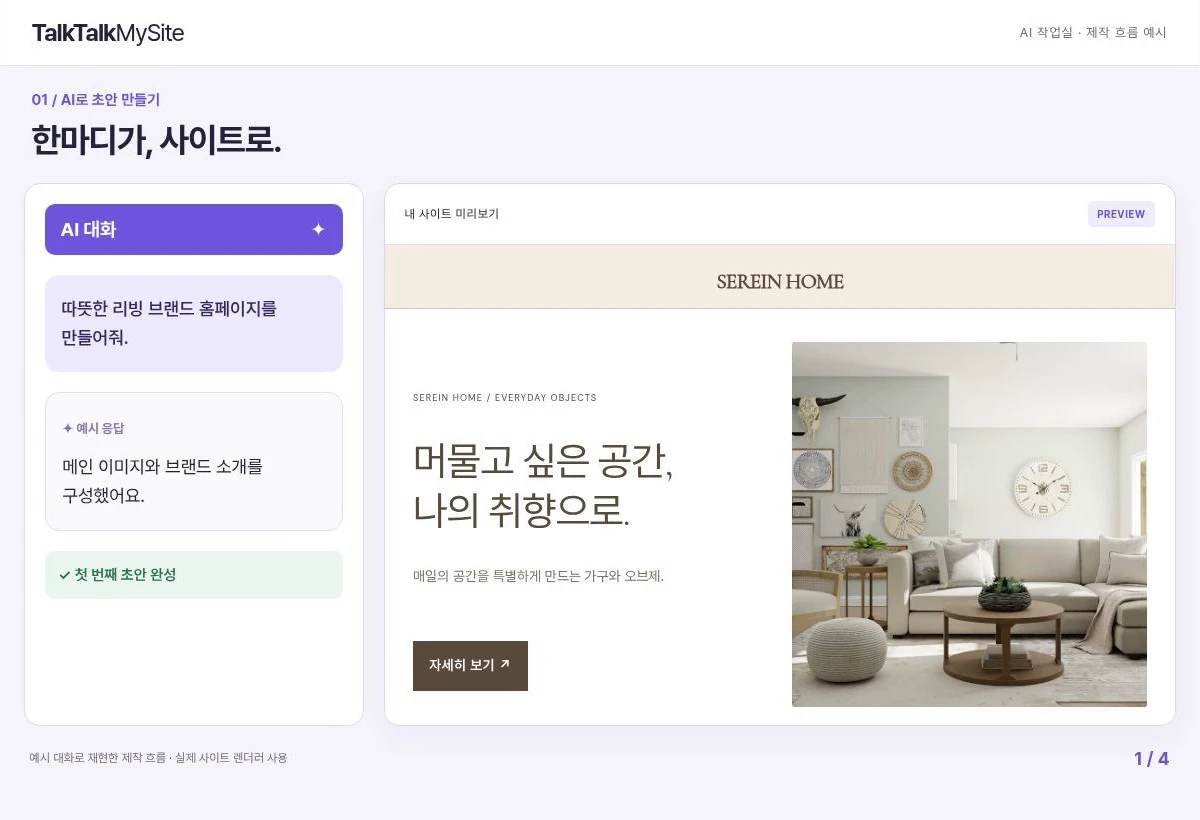
TalkTalkMySite is a no-code tool with templates, AI chat, and visual editing, so coding or design experience is not required to get started. Basic is for a website, Standard for a store, and Premium for a multilingual setup. Payments, social login, domains, and shipping still require configuration, and owners must check business details, wording, and page layout themselves. Search rankings, sales, unlimited free use, and an error-free result are not guaranteed. Start by writing the rules for two or three products, run a test order, and revise the guidance to reflect what you can actually deliver.