Flowers and Plants Online Store Creation: A First Checklist for Member and Guest Checkout
Decide how to explain member and guest purchases, then prepare product information, payment, and delivery settings for a flower and plant store.
1. Decide how customers can buy
When creating an online store for flowers and plants, first decide whether member or guest checkout should be the default. Member checkout can be convenient when customers need to review order history or receive information for repeat purchases, but it adds a sign-up step. Guest checkout lets customers order without registering, making the process simpler, but you need to decide what information customers will use to check an order and receive delivery updates. If you offer both options, briefly explain how each works and how they differ before payment.
2. Prepare product and operating information
Flowers can vary by color, size, arrangement, and season; for plants, size and care conditions can affect a purchase decision. Prepare product names, prices, options, stock information, delivery areas, packaging details, and care instructions alongside your photos. For fresh flowers, state whether substitutions may occur because of seasonal availability or sourcing, in line with your actual operating practices. Before publishing, review your customer contact details, cancellation and exchange information, and delivery schedule.
- Prepare main and detail product photos, plus accurate descriptions.
- Decide what information is needed for member and guest orders and how customers can check order status.
- Confirm payment methods, delivery options and fees, schedules, and service areas.
- Check whether required features, such as a domain or social login, have been set up.
3. Choose a tool and consider a hypothetical example
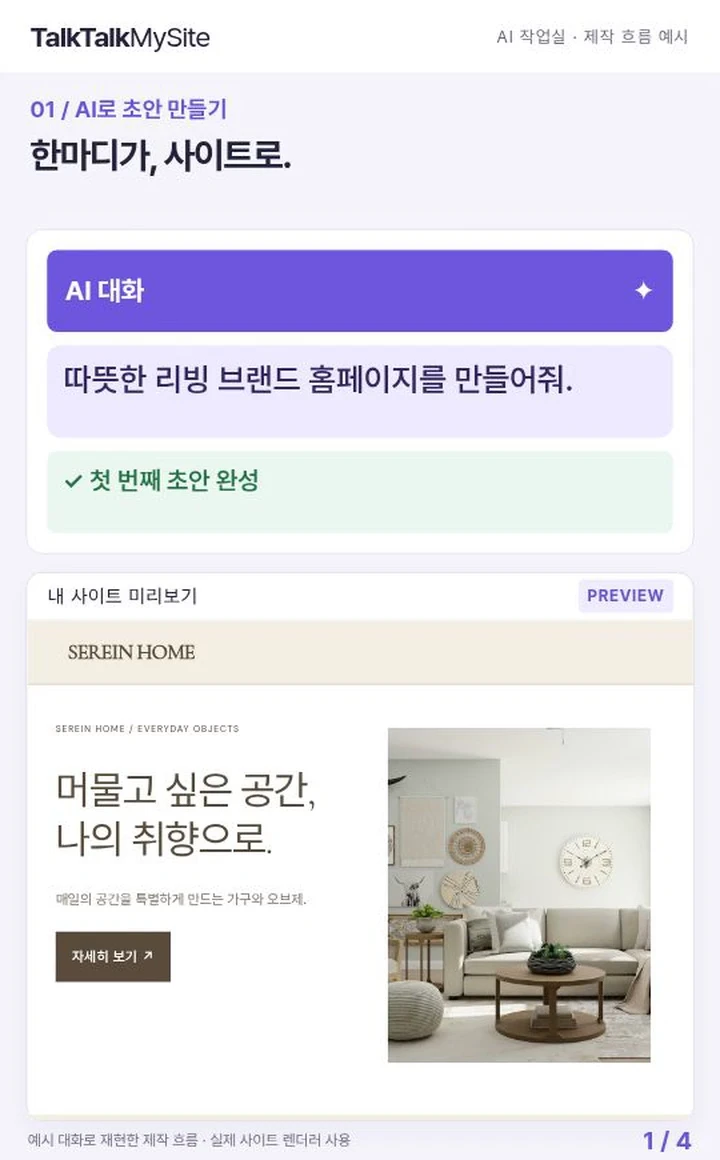
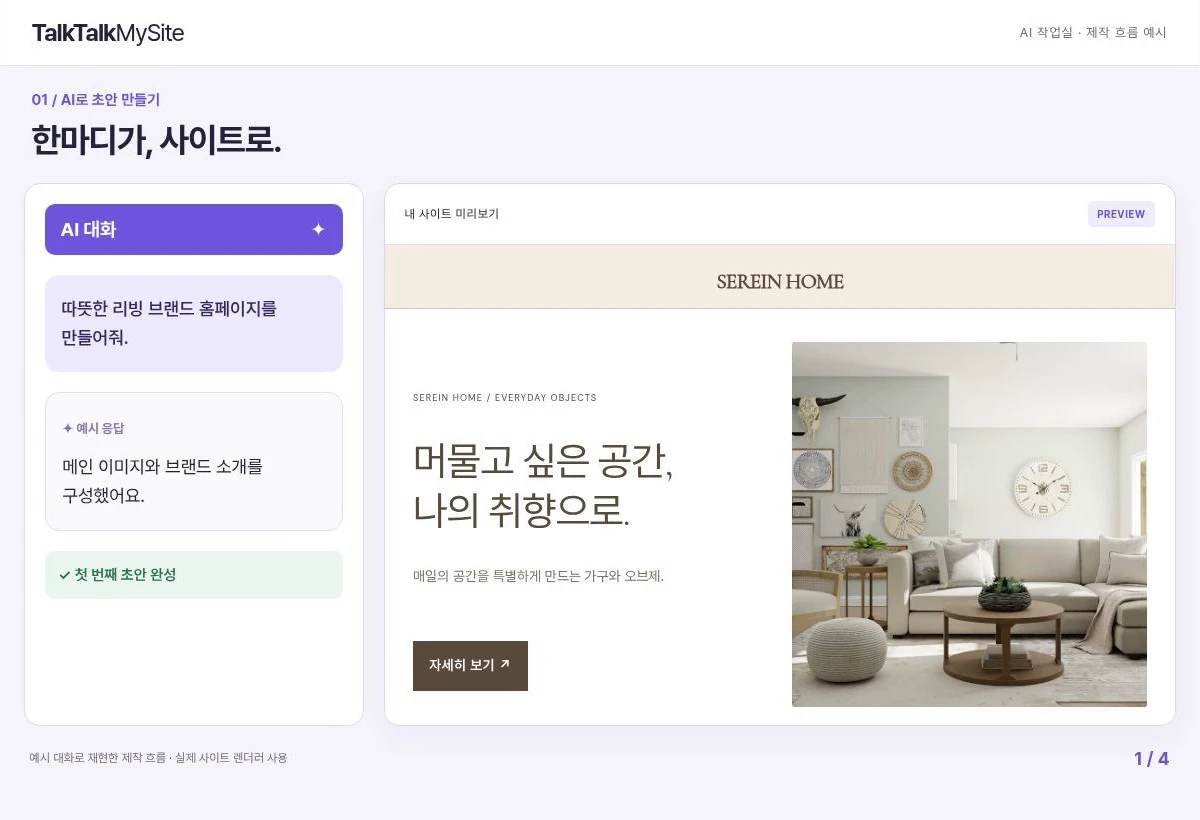
If you want a no-code tool that you can start using without coding or design experience, TalkTalkMySite offers templates and AI chat to help create a first draft. Basic is for a website, Standard for a store, and Premium for multilingual use, so check which scope fits your needs. A template is a starting point that can reduce the burden of custom design; it does not complete your product information or settings for you.
**Hypothetical example:** A one-person business selling seasonal bouquets and small potted plants decides to make registration optional and accept guest orders as well. The owner first organizes product photos, options, and delivery areas, then builds the store layout and checks payment and delivery settings with a test order. With TalkTalkMySite, the owner can easily edit text and images directly, making it useful to review and update information when seasonal products change.
4. Review before publishing and take the next step
Payments, social login, domains, and shipping each require setup. Check the plan scope, AI credits, and setup requirements, then review the store on a mobile screen to make sure product details and member and guest checkout instructions are clear. Use a test order to check order confirmation and delivery messages, too. Templates and owner editing may help reduce custom-build and routine update costs, but they do not guarantee lower costs, sales, search rankings, or error-free results. Try the TalkTalkMySite AI workspace to build your first page, and personally verify your business details and every screen before publishing.
#FlowersandPlants #FlowersandPlantsOnlineStoreCreation #FlowersandPlantsNoCode #FlowersandPlantsTemplates #FlowersandPlantsDesign #FlowersandPlantsOnlinePresence #OnlineStoreCreation #NoCodeStore #AIStoreBuilder #StoreTemplates #EcommercePlanning #StoreManagement #NoCode #NoCodeBuilder #BuildWithoutCoding #DesignForBeginners #AIAssistedDesign #TemplateCustomization #ResponsiveDesign #MobileFriendly #ContentPlanning #BrandIntroduction #PageStructure #UserExperience #VisualEditing #WebsiteImages #LaunchPreparation #BeginnersGuide #MaintenanceChecklist #OnlineBusiness