Pilates Studio Website Creation: Build Pages Around Visitor Questions
Decide who your Pilates studio website is for and what it should help visitors do. Then plan practical pages that answer questions about classes, instructors, location, and booking.
1. Define your visitors and the website’s purpose
When beginning Pilates Studio Website Creation, do not try to put every detail on the site at once. First decide who will visit and what decision you want to help them make. The information a complete beginner needs may differ from what someone seeking postpartum recovery or improved posture wants to know. Choose one primary purpose for the website—such as encouraging inquiries, helping visitors book an introductory class, or providing essential studio information—so the page structure and calls to action stay clear.
Write down the questions visitors are likely to ask. “Can beginners join?”, “How many people are in a class?”, and “Where is the studio, and how do I book?” are useful starting points for planning your pages.
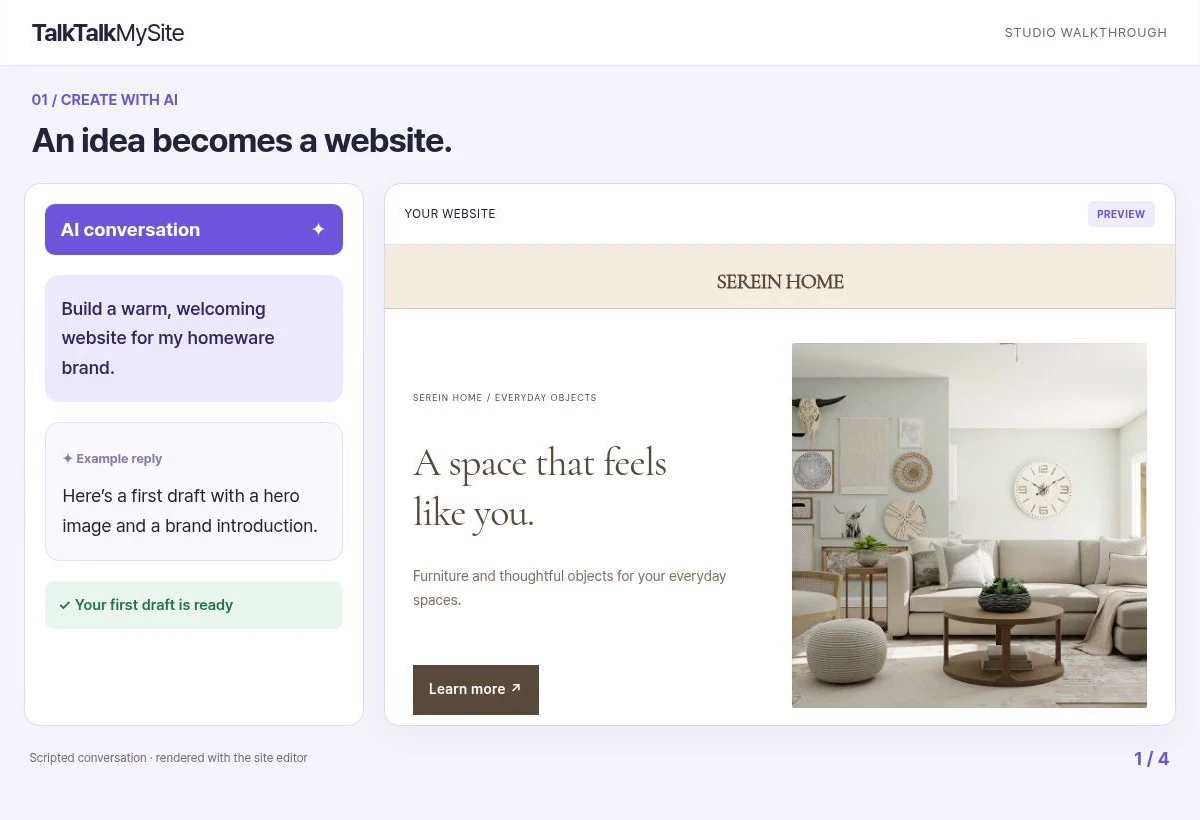
2. Example of pages that answer visitor questions
**Hypothetical example — “Ongyeol Pilates”**: The studio chooses local people considering their first class as its main audience and makes inquiries about trial classes its primary goal.
- **Home page:** Explain the intended class audience and the studio’s main features in a sentence or two, then add a button for trial-class inquiries.
- **Class information:** Describe class types, intended participants, how sessions work, and what to bring. Publish schedules and class sizes only when they reflect actual operations.
- **Instructor introductions:** Present verified qualifications and experience, teaching approaches, and what the studio values.
- **Visit information:** Provide the address, opening hours, public transit or parking details, and booking steps.
- **Frequently asked questions:** Answer common questions about beginners, clothing, and how to cancel or change a booking.
Make the next step clear on each page. If you want visitors to contact you, make the contact method easy to find. If you plan to offer online booking or payments, separately check which functions and operational arrangements are needed.
3. Materials to prepare and a practical way to build
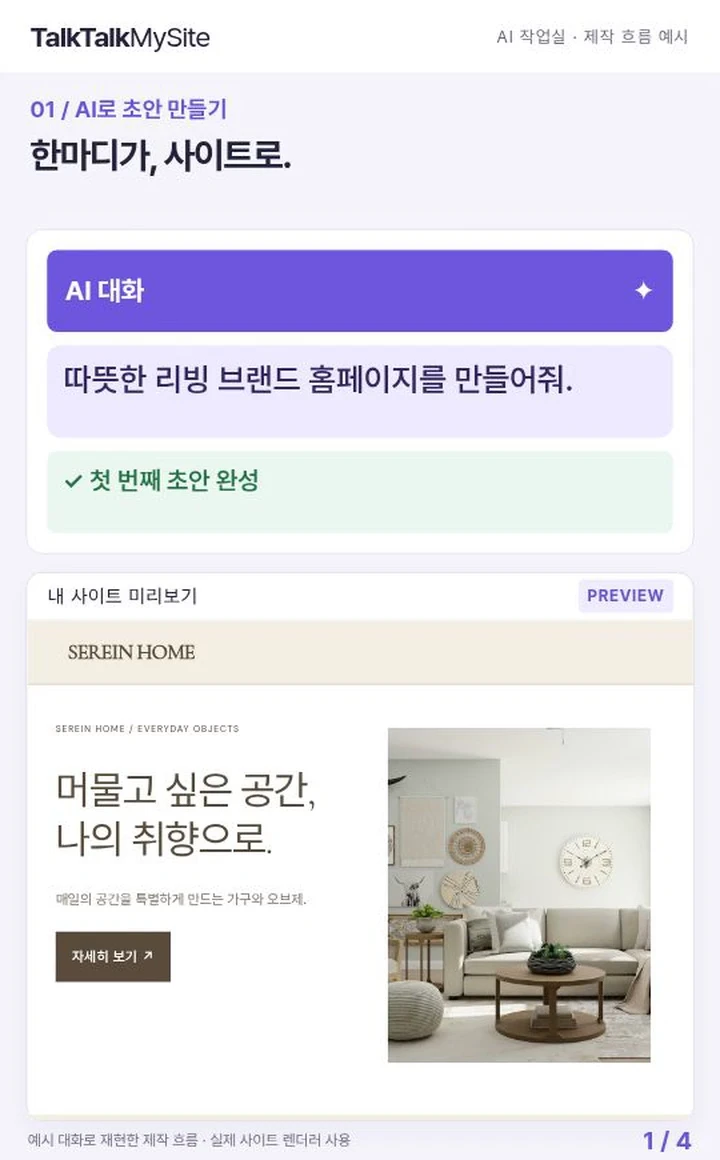
Before creating the site, gather your studio name and contact details, address and opening hours, class descriptions, instructor introductions, and photos you have permission to use. For information that may change—such as schedules or participation conditions—decide who will review it and when. Before publishing, check that text is readable on a mobile screen and that contact buttons and details work correctly.
TalkTalkMySite offers a way to get started at a manageable level using no-code templates and AI chat. You can begin without coding or design experience, but the owner still needs to check the studio information and page layout.
After publishing, you can edit text and images yourself to reflect changes to classes or opening hours. Templates and owner editing may help reduce the cost of custom development and routine updates, but check the plans, AI credits, and setup requirements first.
4. Pre-launch checklist and next step
- Have you chosen one main visitor type and one primary website purpose?
- Do the pages answer visitor questions, and is the information accurate?
- Have you checked image permissions, the mobile layout, and the contact route?
- Have you reviewed setup needs for additional functions such as online payments or booking?
Search rankings and sales are not guaranteed, and you should not expect unlimited use or error-free results. Start by choosing one visitor and one goal, as in the hypothetical example, then create a first page in the TalkTalkMySite AI workspace. Before publishing, personally review all copy, images, layout, and business details.
#PilatesStudio #PilatesStudioWebsiteCreation #PilatesStudioNoCode #PilatesStudioTemplates #PilatesStudioDesign #PilatesStudioOnlinePresence #WebsiteCreation #NoCodeWebsite #AIWebsiteBuilder #WebsiteTemplates #WebsitePlanning #WebsiteManagement #NoCode #NoCodeBuilder #BuildWithoutCoding #DesignForBeginners #AIAssistedDesign #TemplateCustomization #ResponsiveDesign #MobileFriendly #ContentPlanning #BrandIntroduction #PageStructure #UserExperience #VisualEditing #WebsiteImages #LaunchPreparation #BeginnersGuide #MaintenanceChecklist #OnlineBusiness