Farm Produce Website Creation: Turn First Visits into Inquiries
See what to decide and prepare before building a farm business website, with a labelled hypothetical before-and-after example covering product information, sales options, and inquiry details.
Decide how you sell and what visitors should do
A business introduction website should explain what you sell, who it is for, and how visitors can take the next step toward asking a question or placing an order. First decide who your main customers are, which products to feature, where you sell, and how you will receive inquiries. Also choose whether you need a site for introductions and inquiries only or want to create an online store where customers can select products and pay. If your sales approach is not settled yet, you can begin with a clear list of products and contact options.
Prepare your materials
Gathering these details before building makes it easier to create and review the site:
- An introduction to the farm or seller, product or growing details, and verified origin information
- For each product, the name, photos, selling unit, price, and other details you plan to publish
- How customers can order or ask questions, operating hours, delivery areas, and delivery conditions to explain
- The phone number, email, business details, and social accounts you plan to use
Check changeable information, such as prices and delivery conditions, against the latest details before publishing. Payments, social login, domain connections, and shipping may require separate setup. Check the necessary features and preparation against your selected plan and the way you operate your business.
Hypothetical example: before and after
**Hypothetical example—Deulnyeok Vegetables.** Before the revision, the first screen showed a farm photo and the line “We sell fresh produce,” but visitors could not easily find out which products were available or how to order. After viewing the photo, they had little guidance about what to do next.
After the revision, the first screen stated verified information, such as “Explore seasonal vegetables and send an order inquiry,” and placed featured products, the sales area, and contact options nearby. Each product photo had a name and selling unit, and delivery information and the inquiry contact were made easier to find. This is a hypothetical example, not evidence that inquiries or sales will increase. Before publishing, check that the copy and images match your actual products and operating conditions.
Start with no-code tools, then review everything
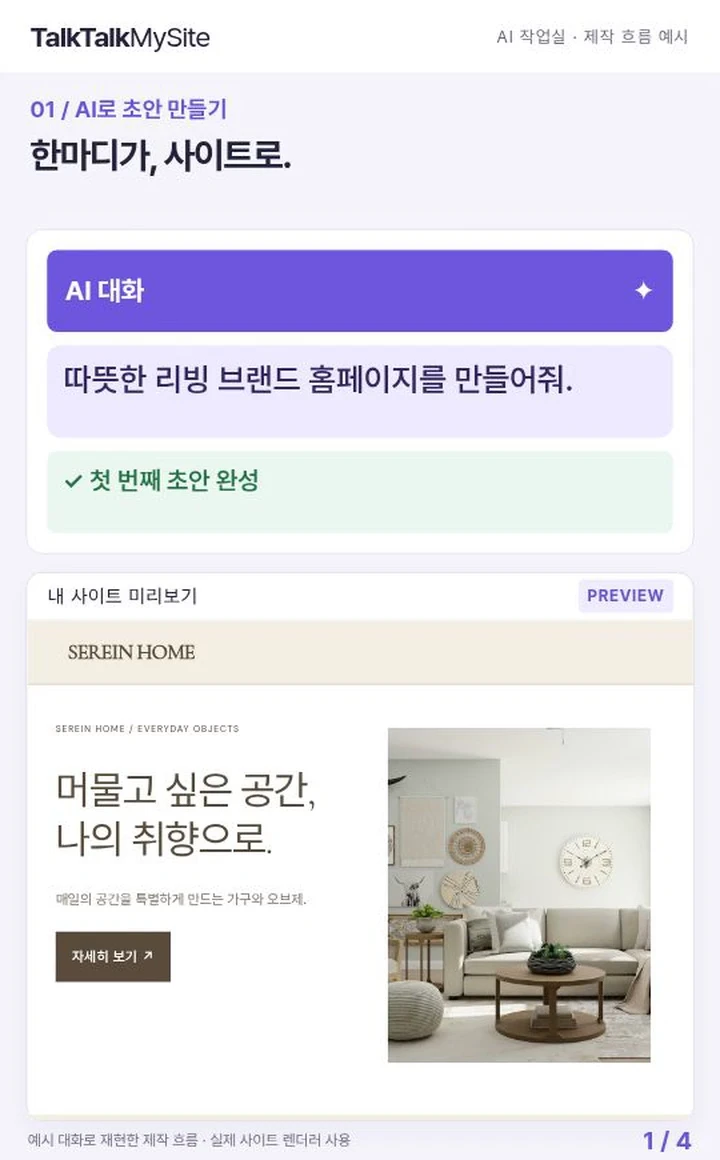
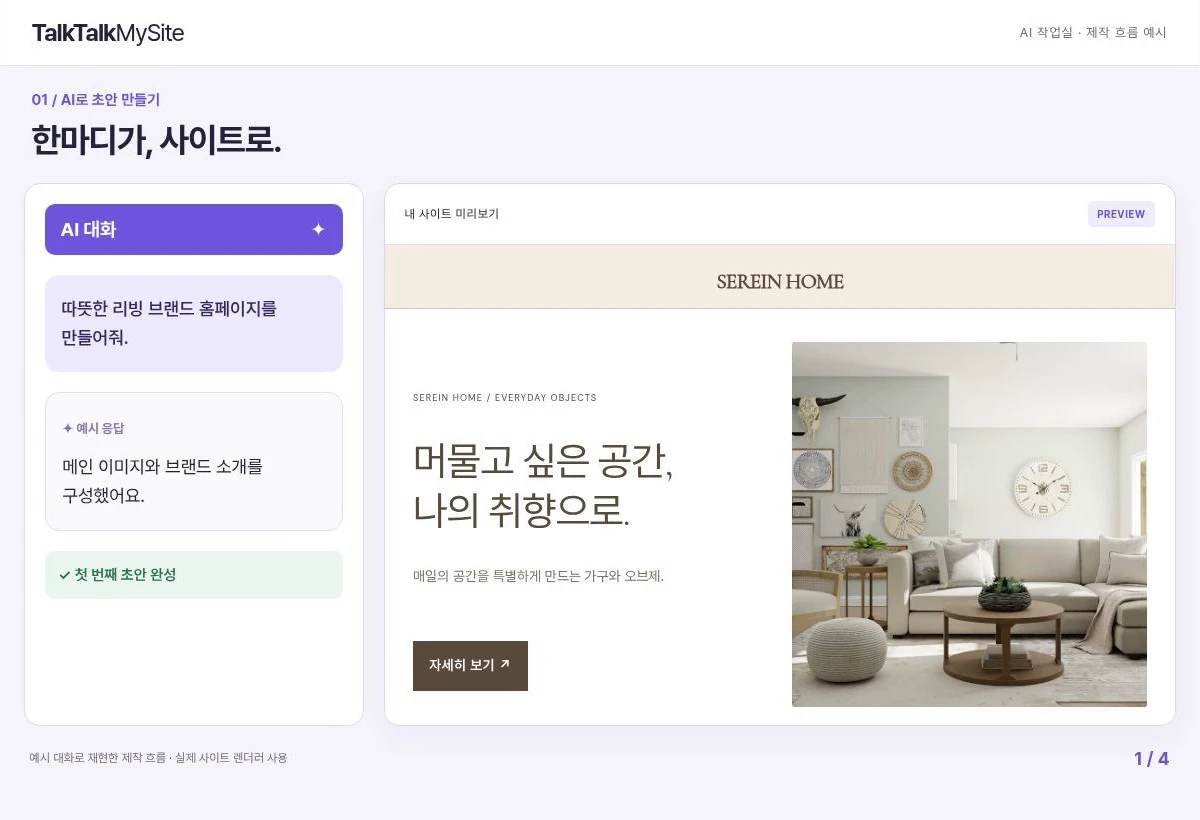
TalkTalkMySite offers no-code templates, AI chat, and visual editing, so you can get started without coding or design experience. Begin with a template for your business introduction and inquiry needs, then use AI chat to refine a draft. Its plans are Basic=website, Standard=store, and Premium=multilingual. Compare them against the sales and language support you need, and check AI credits and setup requirements as well.
After building, the owner must review the text, images, layout, and business details. Templates and owner edits may help reduce custom-build and routine update costs, but they do not guarantee savings, search rankings, or sales. Check usage limits and any setup needs. As a next step, try the AI workspace to create your first page, then use your checklist to verify key products, contact details, and sales conditions before publishing.
#FarmProduce #FarmProduceWebsiteCreation #FarmProduceNoCode #FarmProduceTemplates #FarmProduceDesign #FarmProduceOnlinePresence #WebsiteCreation #NoCodeWebsite #AIWebsiteBuilder #WebsiteTemplates #WebsitePlanning #WebsiteManagement #NoCode #NoCodeBuilder #BuildWithoutCoding #DesignForBeginners #AIAssistedDesign #TemplateCustomization #ResponsiveDesign #MobileFriendly #ContentPlanning #BrandIntroduction #PageStructure #UserExperience #VisualEditing #WebsiteImages #LaunchPreparation #BeginnersGuide #MaintenanceChecklist #OnlineBusiness