Architecture and Interiors Online Store Creation: Set Delivery, Exchange, and Return Rules
Furniture and finishing materials call for different shipping and return rules depending on size, damage risk, and installation. Prepare the information for your first store, choose rules by scenario, and check everything before publishing.
Classify products and delivery conditions first
For architecture and interiors products, handling depends on whether an item is standard or made to order, how large and heavy it is, and whether installation is included. Group products such as furniture, lighting, and tiles, then check each item’s packed dimensions and weight, preparation time before dispatch, delivery area, and the scope of installation or unloading. If you use both parcel and freight delivery, decide which method applies to each product.
Prepare, by product, the delivery charge and any extra costs, estimated preparation and delivery times, instructions for checking damage, a route for submitting exchange or return requests, and the rules for collection costs. Confirm terms with the carrier you actually use, and do not state unconfirmed dates or charges as facts. Conditions on product pages and the policy page must also match.
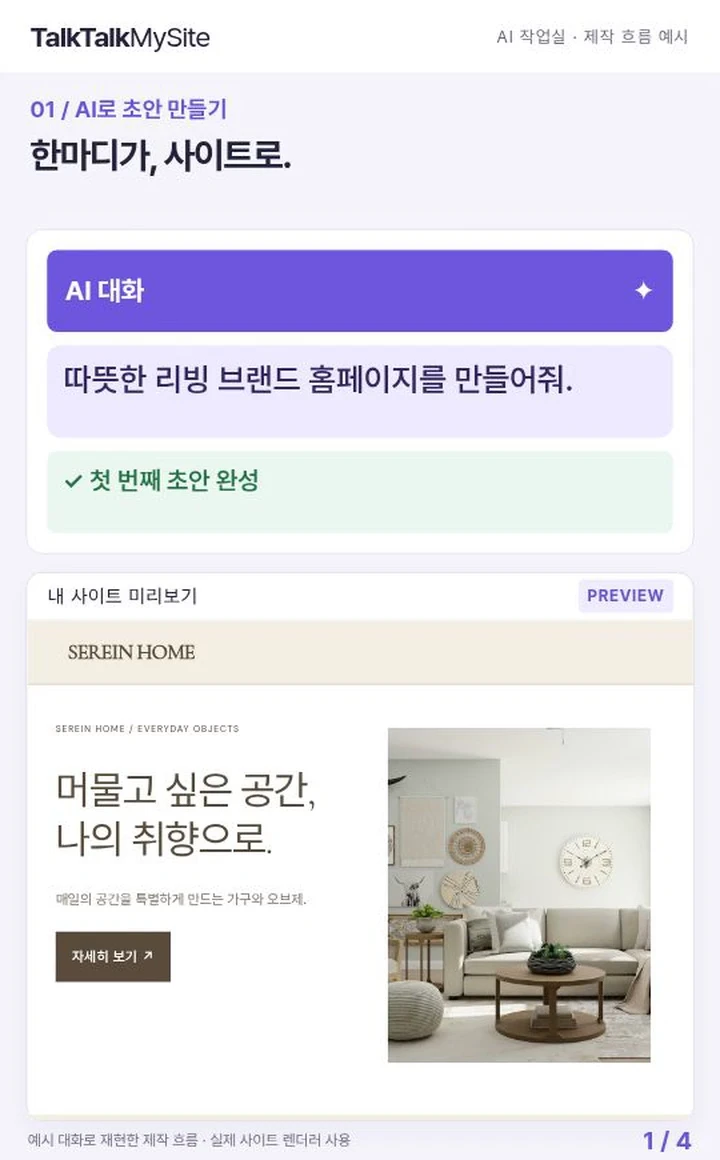
Set rules for exchanges and returns by scenario
For standard products, distinguish change-of-mind requests from incorrect deliveries and damage in transit, and define the request process and who bears the cost in each case. For made-to-order items, explain whether an order can be changed before production and how requests are handled after production starts, in line with your actual operating process. For products that include installation, explain the process before and after installation, and separately describe cases that require an on-site inspection. Check applicable consumer-protection requirements against official guidance. If something is unclear, do not invent restrictive conditions.
**Hypothetical example:** Imagine a first store that ships small lamps by parcel and large storage units by freight. For lamps, explain how to submit photos of the packaging and damage. For storage units, state the delivery area and ask customers to confirm before ordering whether on-site unloading and installation are included. For made-to-order shelves, describe how to request a change before production begins; publish specific restrictions only after verifying your actual operating terms and applicable requirements.
Prepare policy text and materials before building the site
Break the policy into short sections covering delivery areas, timing and charges; order confirmation and dispatch; reporting damage or an incorrect delivery; how to submit exchange or return requests; and collection-cost rules. Prepare an email address or other contact method for customer inquiries, identify the person responsible for handling them, and draft frequently asked questions. Payment, domain, and shipping settings must be completed separately; writing a policy does not configure the actual delivery process.
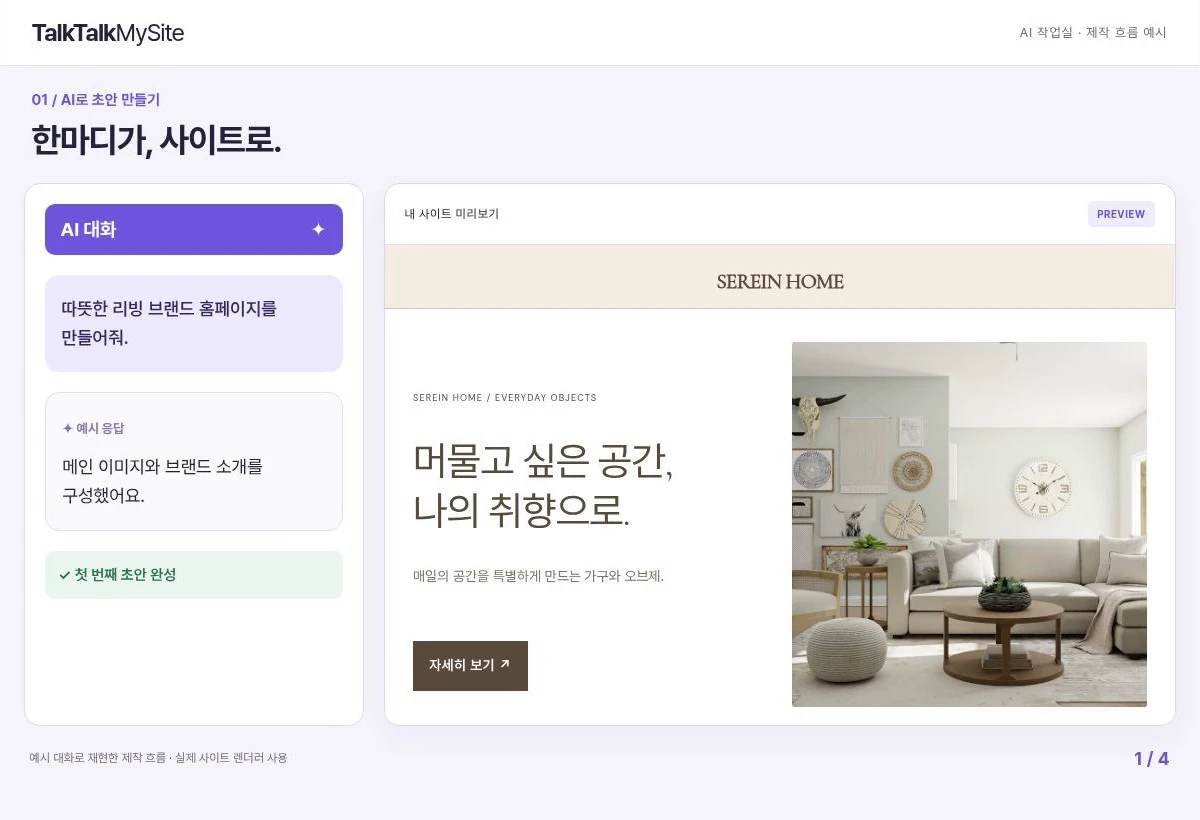
TalkTalkMySite lets beginners start an online store without coding or design experience, using templates and AI chat, then arrange a policy page with visual editing. Basic is for a website, Standard for a store, and Premium for multilingual use, so compare the plans with your needs first. Payments, shipping, domains, and social login each require setup, and you should check plan limits and AI credits.
Test and review the store before publishing
- On a phone, check that customers can find and read the delivery, exchange, and return information.
- Compare each product’s shipping method, charges, and timing with the policy page to make sure they agree.
- Place a test order to check payment, order notifications, shipping settings, and the contact route.
- Walk through cases involving damage, incorrect delivery, change of mind, made-to-order items, and installed products with the people handling orders.
Templates and owner-led editing may help reduce the costs of custom development or routine changes, but they do not guarantee a particular result or amount of savings. Owners must review the wording, layout, and business details; do not assume errors are impossible. As a next step, choose one product group and make a delivery-conditions sheet. Then try the AI workspace to build your first policy page and review its content yourself.
#ArchitectureandInteriors #ArchitectureandInteriorsOnlineStoreCreation #ArchitectureandInteriorsNoCode #ArchitectureandInteriorsTemplates #ArchitectureandInteriorsDesign #ArchitectureandInteriorsOnlinePresence #OnlineStoreCreation #NoCodeStore #AIStoreBuilder #StoreTemplates #EcommercePlanning #StoreManagement #NoCode #NoCodeBuilder #BuildWithoutCoding #DesignForBeginners #AIAssistedDesign #TemplateCustomization #ResponsiveDesign #MobileFriendly #ContentPlanning #BrandIntroduction #PageStructure #UserExperience #VisualEditing #WebsiteImages #LaunchPreparation #BeginnersGuide #MaintenanceChecklist #OnlineBusiness