Travel and Accommodation Online Store Creation: Guide Visitors to Booking Information
Learn how to help walk-in customers at a travel business or lodging property find rooms, itineraries, and booking steps on a website or online store, with a practical page plan and preparation checklist.
Start by collecting visitors’ questions
A travel or accommodation website should do more than introduce the business: it should help visitors find their next step. Write down the questions you hear at your shop. How do room types or travel products differ? Where can customers check availability by date? Can they book online, by phone, or both? Who handles cancellation or change requests? Use these questions as your starting point. Answer only with information your business actually provides, and direct visitors to a contact channel when details need confirmation.
Plan the pages and booking path
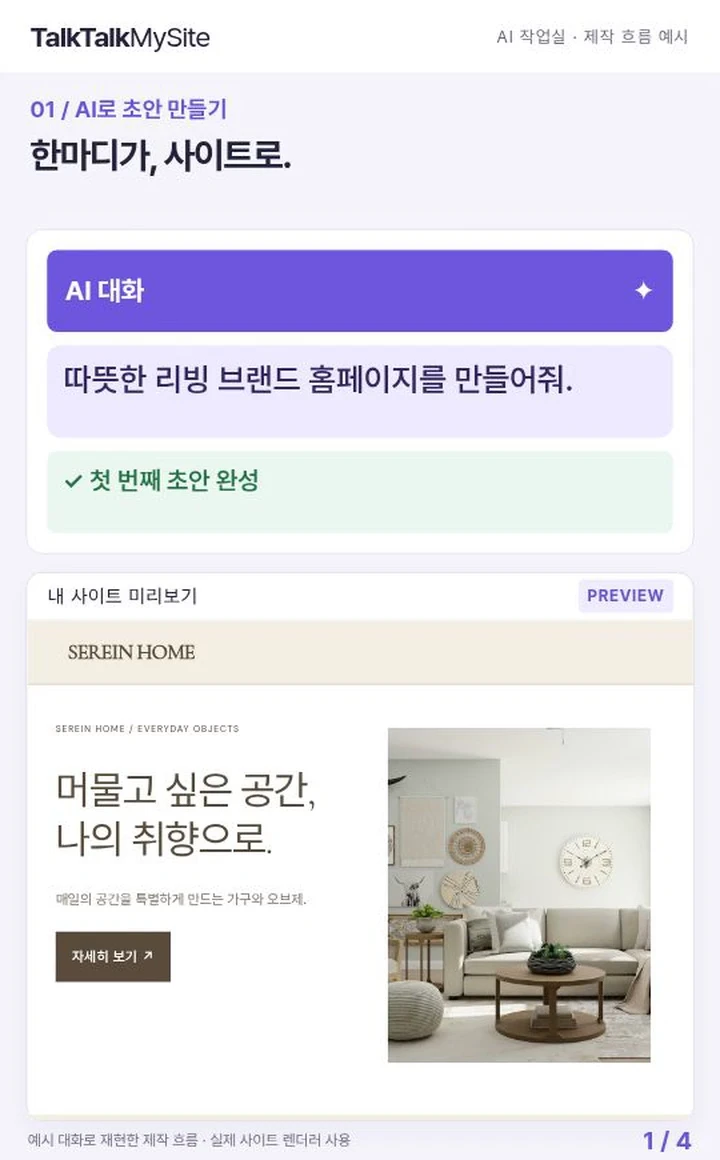
A useful first structure has five sections: Home, Stay or Product Details, Visitor Information, Frequently Asked Questions, and Booking or Contact. This makes it easier to review how visitors move through the site. Put representative photos, the location, key benefits, and booking guidance on the home page. On detail pages, distinguish room types or itinerary options, what is included, and any additional costs. Visitor information can cover actual operating details, such as check-in and check-out times or departure and arrival points. Give FAQ entries question-style headings based on what customers repeatedly ask in person.
If you cannot connect a booking feature straight away, clearly show a method you can handle now, such as a booking inquiry form or a phone link. Request only necessary details, such as dates, party size, preferred product, and a way to reply. Decide internally who will respond after an inquiry arrives. Online payments, social login, and domain connection may require separate setup. First confirm how you will manage availability and schedules for your accommodation or travel products.
Prepare materials and review a hypothetical example
Before you start, gather the business name and contact details, location and directions, operating hours, current room or product photos, descriptions and pricing rules, and booking and change information. Also check that you have permission to use the photos and can publish the operational details. The example below is hypothetical.
**Hypothetical example — Badaon Stay:** A visitor who received information in person scans a QR code to open the website. The home page shows room types and a booking inquiry button. The visitor checks the check-in time and parking information in the FAQ, then submits dates, party size, and contact preference. The page explains that a staff member will confirm availability before the booking is finalized. This flow can reduce repeated questions without giving visitors the impression that an online booking has already been confirmed.
Build and review checklist
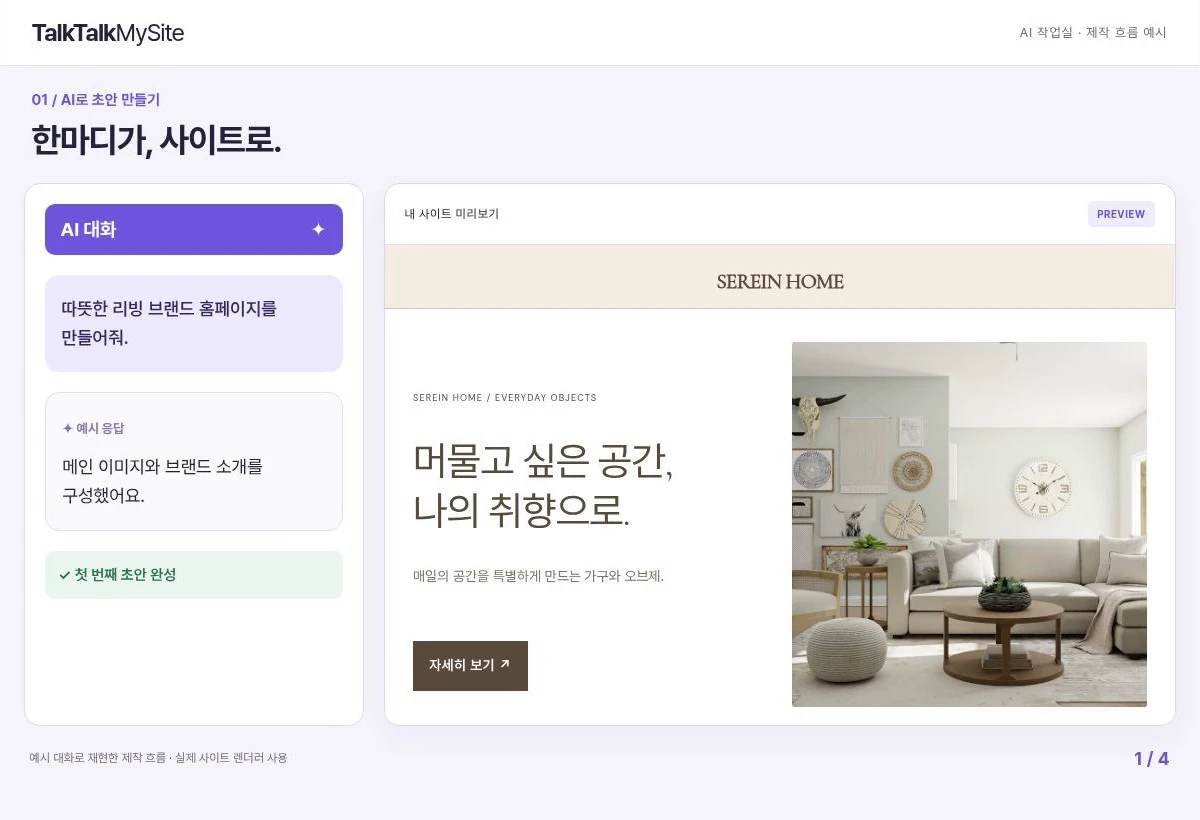
TalkTalkMySite is a practical option for starting a site with no-code templates, AI chat, and visual editing. You can get started without coding or design experience, but the owner must check that the template fits the business information and booking flow. Begin by using the AI workspace to draft your first visitor-information page.
- [ ] Can visitors quickly find the accommodation or travel products and the booking route on the home page?
- [ ] Are the phone and inquiry buttons and photos easy to see on a mobile screen?
- [ ] Is someone responsible for updating details that can change, such as prices, dates, and check-in information?
- [ ] Have you actually tested the required setup, such as form submission, notifications, and payments?
After publishing, owners can also easily refine text and images themselves with TalkTalkMySite’s visual editor. Basic is for a website, Standard for a store, and Premium for multilingual use. Choose the scope you need, then check the plans, AI credits, and setup requirements. Payments, social login, domains, and shipping may need separate setup. Templates and owner editing can help reduce the burden of custom builds or routine updates, but they do not guarantee lower costs, search rankings, or sales. Unlimited use and error-free results are not guaranteed either, so review all business details and pages yourself before publishing. As a next step, write down five questions from walk-in customers and use the AI workspace to create and review a first page answering the question you hear most often.
#TravelandAccommodation #TravelandAccommodationOnlineStoreCreation #TravelandAccommodationNoCode #TravelandAccommodationTemplates #TravelandAccommodationDesign #TravelandAccommodationOnlinePresence #OnlineStoreCreation #NoCodeStore #AIStoreBuilder #StoreTemplates #EcommercePlanning #StoreManagement #NoCode #NoCodeBuilder #BuildWithoutCoding #DesignForBeginners #AIAssistedDesign #TemplateCustomization #ResponsiveDesign #MobileFriendly #ContentPlanning #BrandIntroduction #PageStructure #UserExperience #VisualEditing #WebsiteImages #LaunchPreparation #BeginnersGuide #MaintenanceChecklist #OnlineBusiness