Architecture and Interiors Online Store Creation: Test Orders, Payments, and Shipping
For an architecture and interiors store, test the whole journey from product listing to delivery using a realistic order scenario. This guide covers setup choices, materials to prepare, test steps, and common beginner mistakes.
For architecture and interiors products, color, dimensions, stock, and shipping conditions can strongly affect a purchase. Before creating your online store, decide whether you will ship standard-size accessories by parcel or arrange separate delivery for heavy or oversized materials. Clearly show customers what they need to know before ordering to help reduce questions and handling confusion.
Decide how you will sell and prepare materials
If you sell accessories with simple options and parcel conditions, you can test a standard order flow by setting each product’s price, options, stock, and shipping fee. If materials come in many sizes or require coordination for breakage prevention, loading, or on-site delivery, first define what you need to confirm after an order, which areas you can serve, and how you will explain any extra charges. Prepare payment methods and procedures for cancellations and exchanges to fit your operations.
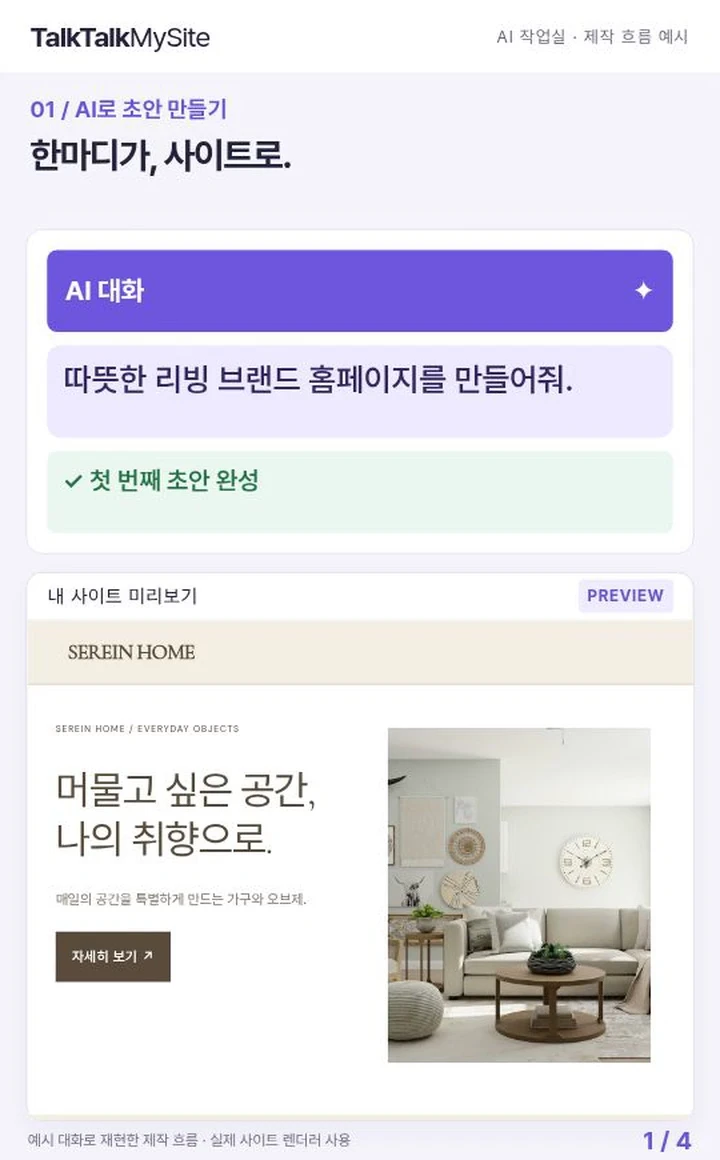
Prepare product names, descriptions, prices, options, stock levels, usable product photos, shipping fees and dispatch information, and a customer contact method. Payment methods, social login, domains, and shipping may each require separate setup, so check that they work after building the store.
Test in order, from purchase to delivery
1. On the customer-facing page, check product descriptions, size and color options, prices, and out-of-stock notices. Make sure text and images are clear on mobile screens too. 2. Add a test product to the cart, change options and quantities, and confirm that the delivery address and shipping fee appear as expected. 3. Place a test order using the payment method you intend to offer. Check not only successful payment but also what customers see if payment fails or is canceled, and how the order status changes. If the setup could generate a real charge, confirm the testing method first to avoid unnecessary costs. 4. In the admin view, check the order and payment status, customer details, and stock changes. Follow the process from order confirmation through dispatch, tracking number entry, and delivery-completion notification. 5. Also imagine a return or exchange request. Check whether customers can find the procedure and contact details, and whether you can respond using the order record. Then clean up the test order.
Choose by situation, with a hypothetical example
**Hypothetical example:** Imagine an interiors shop selling lamps and small storage items. It offers color and size options for lamps and color options for storage items, with packaging and shipping conditions explained for each product. In a test order, it checks that option selection, stock deduction, payment confirmation, dispatch, and delivery updates all connect correctly. By contrast, for a large countertop or made-to-order item, it may be more appropriate to explain delivery conditions and the consultation process clearly before purchase rather than presenting it like an ordinary parcel-shipping product.
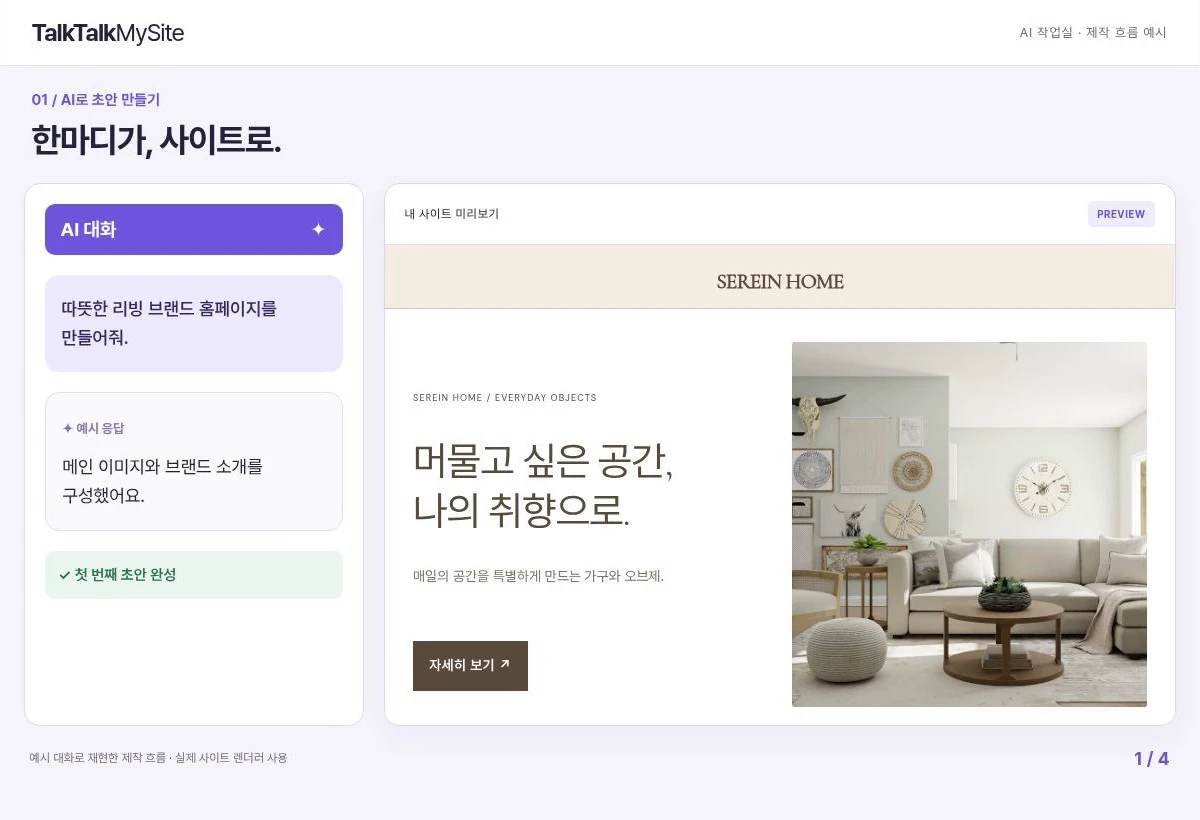
Avoid showing stock levels that do not match reality, omitting shipping fees, describing colors or dimensions inaccurately, or checking only successful payment while skipping cancellation and delivery steps. Also be cautious about applying one shipping rule to every product or failing to check whether a test can create a real order.
A practical starting point and your next step
TalkTalkMySite is an option for starting website or online store creation with no-code templates, AI chat, and visual editing. You can get started without coding or design experience, but the owner must check that product information, page layout, and business details are accurate. Consider Basic for a website, Standard for a store, and Premium for multilingual use. Review plans, AI credits, and the setup required for payments and shipping before choosing.
After building, you can edit text and images yourself to manage product changes and routine updates. Templates and owner editing may reduce the costs of custom builds or repeated changes, but they do not guarantee savings, search rankings, or sales, and they do not mean unlimited use or mistake-free operations. Try the AI workspace to create your first page, then use the checklist above to check each test order step by step.
#ArchitectureandInteriors #ArchitectureandInteriorsOnlineStoreCreation #ArchitectureandInteriorsNoCode #ArchitectureandInteriorsTemplates #ArchitectureandInteriorsDesign #ArchitectureandInteriorsOnlinePresence #OnlineStoreCreation #NoCodeStore #AIStoreBuilder #StoreTemplates #EcommercePlanning #StoreManagement #NoCode #NoCodeBuilder #BuildWithoutCoding #DesignForBeginners #AIAssistedDesign #TemplateCustomization #ResponsiveDesign #MobileFriendly #ContentPlanning #BrandIntroduction #PageStructure #UserExperience #VisualEditing #WebsiteImages #LaunchPreparation #BeginnersGuide #MaintenanceChecklist #OnlineBusiness