Nonprofit Online Store Creation: Shipping, Returns, and Weekly Checks
A practical guide for nonprofits preparing their first online store. Gather the policy details you need, then follow a clear order for pre-launch checks and weekly operations.
Decide first and gather the essentials
Nonprofit online store creation starts with deciding who will handle orders and inquiries before you list products. Assign responsibility for products and inventory, packing and dispatch, and customer questions. Agree on shipping, exchange, and return terms that the organization can actually follow. Write down who pays shipping costs, the expected dispatch timing, how to request an exchange or return, and where to contact the organization. Check applicable consumer-protection obligations and exceptions using official resources or an appropriately qualified professional.
Prepare product names, prices, stock levels, and photos; information needed for packing and dispatch; a contact address; and the organizational details required for payment and shipping setup. If you plan to explain the nonprofit’s purpose or how sales proceeds will be used, state only verified facts. Do not guess at details such as dispatch schedules or return eligibility: confirm the policy and responsible person first.
Prepare the policy page and check before launch
The shipping information should clearly state dispatch timing, shipping fees and coverage, and how customers will be notified of delays. The exchange and return information should explain how to make a request, where to contact you, any submission deadline, and who bears relevant costs. Confirm that these terms match your actual operating policy and applicable rules. If terms vary by product, make the differences easy to find on the relevant product page. Keep the wording in order confirmations and frequently asked questions consistent with the policy page.
Hypothetical example — Daon Sharing Center: Imagine a small nonprofit starting to sell handmade goods. An assigned staff member packs and dispatches orders on Mondays and Thursdays, and inquiries go to the organization’s shared email address. Before launch, the responsible person confirms the actual dispatch days, shipping fees, and exchange and return process. This is an illustration, not a policy that every nonprofit should copy; staffing and products differ.
- [ ] Match product photos, prices, stock, and descriptions against the actual items.
- [ ] Check the shipping, exchange, and return wording and the contact details.
- [ ] Place a test order to verify payment, order notifications, and shipping information.
- [ ] Check text and links on a phone and identify who is responsible for updates.
Payment, social login, a domain, and shipping each require setup. Have the responsible person review the live pages and settings before launch. Choose a website plan for a basic site or a store plan for selling, and check each plan’s scope, AI credits, and setup requirements. If you need multiple languages, review the conditions of the multilingual plan as well.
A weekly check order for the operator
1. Compare order and payment statuses with inventory, then assign any unprocessed orders to a responsible person. 2. Review orders due to ship and those already dispatched. Notify buyers about delays or changes. 3. Check exchange and return requests and the inquiry inbox; respond and keep records according to the agreed process. 4. Review out-of-stock products, prices, photos, and policy wording, and update only information that has changed. 5. Record recurring questions and cases where the published information caused confusion, then decide what to improve next week.
Use the same order each week and name a backup for staff absences. When a policy changes, update both the page and any related order communications to reduce confusion.
Start with a manageable setup and maintain it yourself
TalkTalkMySite offers no-code templates, AI chat, and visual editing, so a nonprofit can begin with basic pages and policy information before commissioning custom development. Coding or design experience is not required to get started, but the organization’s operator must check the wording, layout, and business details. Templates and owner edits can help reduce custom-build and recurring update costs, but compare the actual needs with the plan terms.
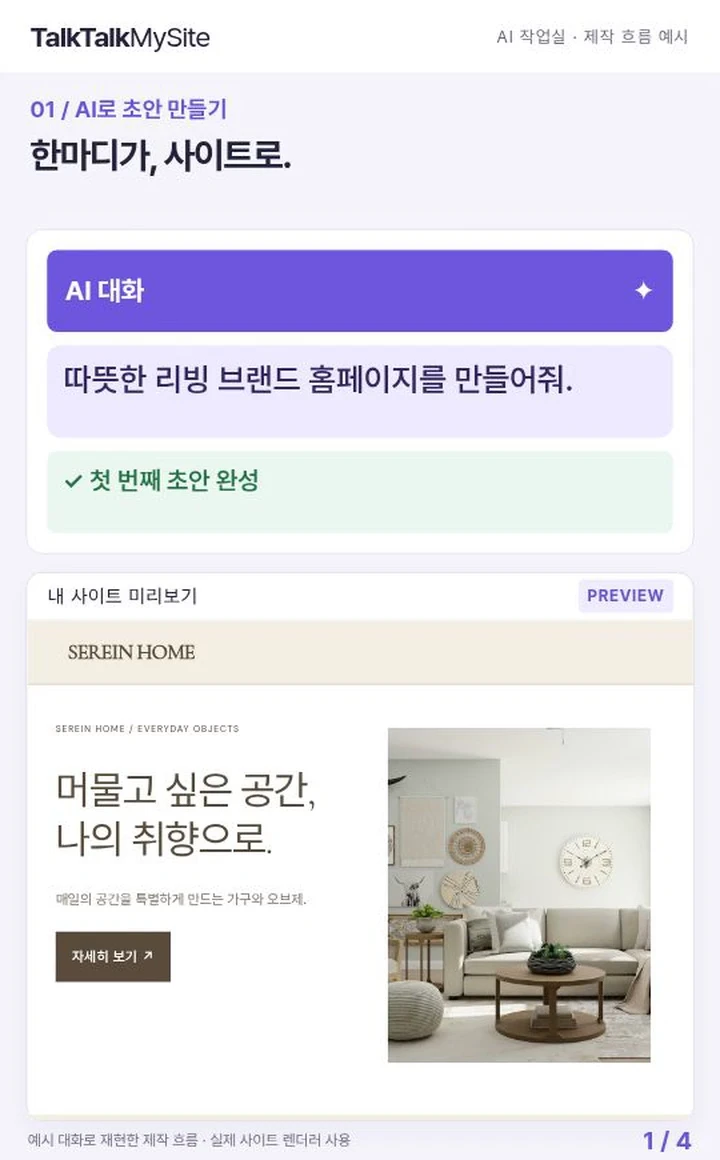
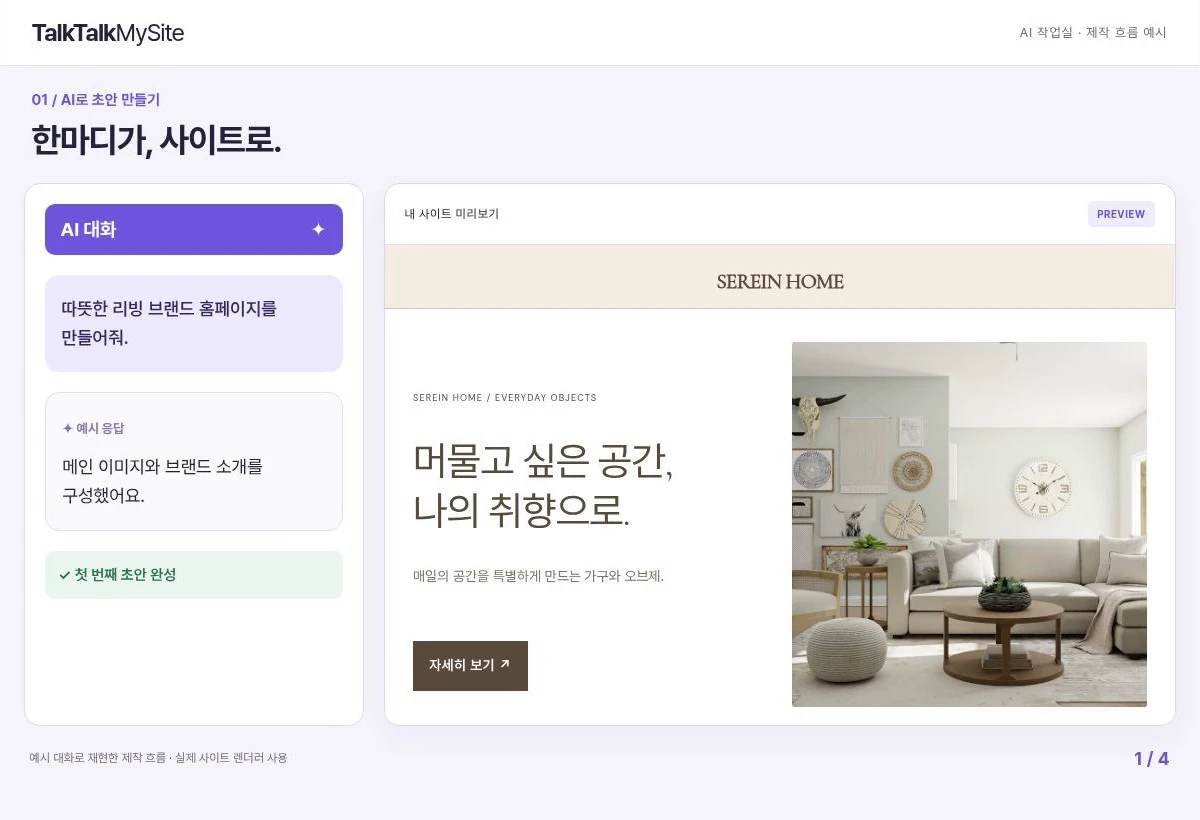
After creating the initial pages, keep the layout simple enough for the operator to update dispatch schedules, contact details, product photos, and inventory. Try the TalkTalkMySite AI workspace to build a first policy page, then use the checklist above to verify facts and settings before publishing. Search rankings, sales, unlimited use, and error-free operation are not guaranteed. Check AI credits, plan terms, and whether payment and shipping setup is required.
#Nonprofit #NonprofitOnlineStoreCreation #NonprofitNoCode #NonprofitTemplates #NonprofitDesign #NonprofitOnlinePresence #OnlineStoreCreation #NoCodeStore #AIStoreBuilder #StoreTemplates #EcommercePlanning #StoreManagement #NoCode #NoCodeBuilder #BuildWithoutCoding #DesignForBeginners #AIAssistedDesign #TemplateCustomization #ResponsiveDesign #MobileFriendly #ContentPlanning #BrandIntroduction #PageStructure #UserExperience #VisualEditing #WebsiteImages #LaunchPreparation #BeginnersGuide #MaintenanceChecklist #OnlineBusiness